


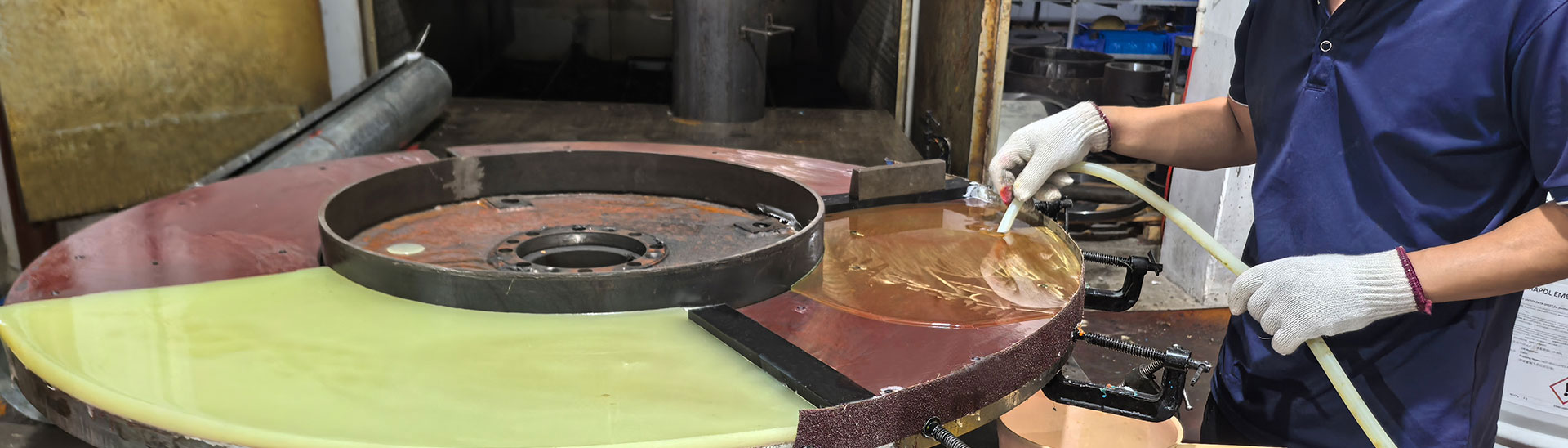
Custom Polyurethane Parts for OEM & Automated Manufacturing
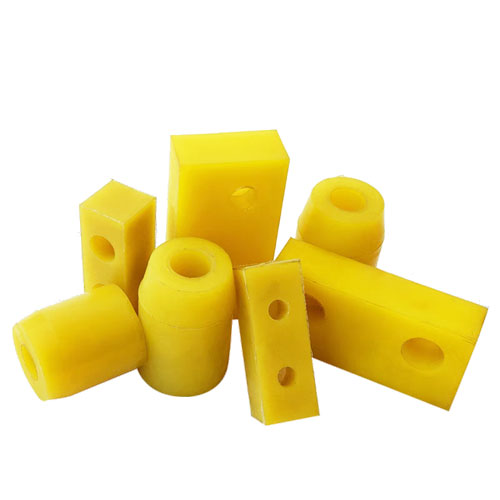
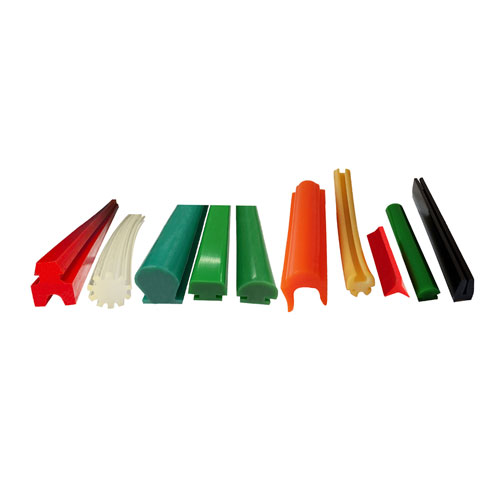
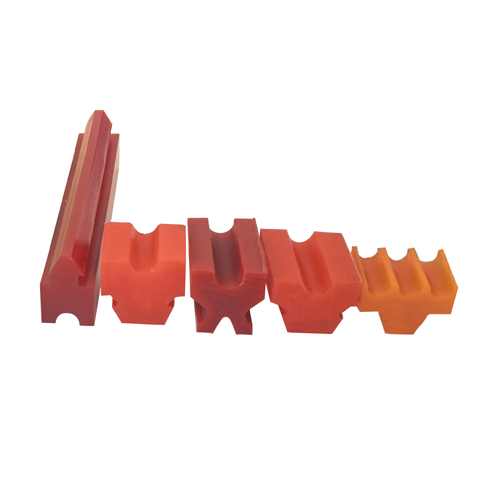
OEM and automated manufacturing systems demand components that perform consistently under repeated movement, mechanical loads, friction, and continuous operation.
Our custom polyurethane parts meet your specific dimensional, material, and performance requirements. They help reduce wear, maintenance needs, and equipment downtime while supporting reliable system performance.
Custom Manufacturing Capabilities
- Custom dimensions and geometry,
- Custom polyurethane hardness,
- Cast polyurethane components,
- Machined polyurethane parts,
- Bonded polyurethane components,
- Metal inserts and embedded components,
- Manufacturing from drawings, CAD files, or samples.
Polyurethane Products for OEM & Automation
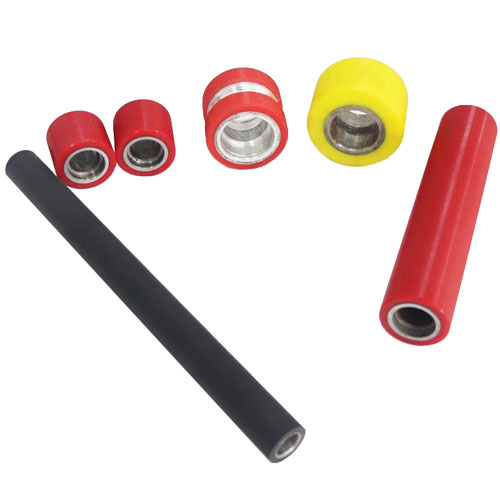
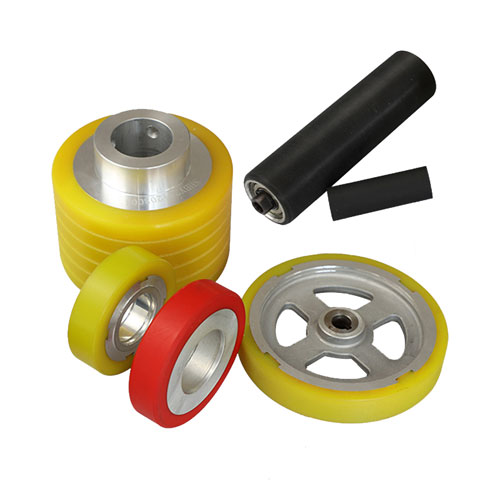
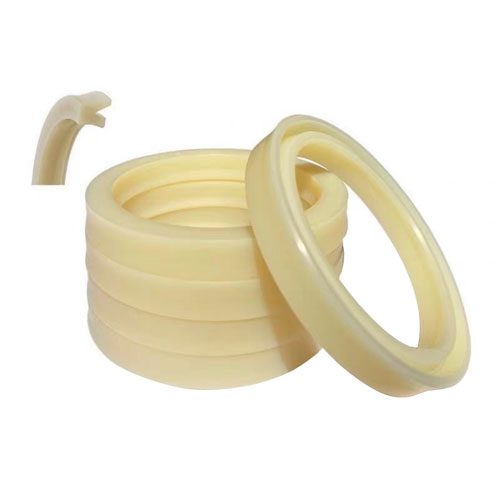
OEM & Automation Equipment We Support
1.Automated Material Handling Equipment-Polyurethane rollers, wheels, guides, and wear components support smooth movement and reliable material transfer in automated handling systems.
- Conveyor Systems
- Automated Transfer Systems
- Roller Conveyors
- Feed Systems
- Transfer Units
- Assembly Machines
- Production Lines
- Automated Workstations
- Indexing Systems
- Positioning Equipment
- Robotic Systems
- Pick-and-Place Equipment
- Linear Motion Systems
- Automated Guided Systems
- Positioning Mechanisms
- Packaging Machines
- Feeding Systems
- Sorting Equipment
- Inspection Systems
- Processing Machinery
Why Use Polyurethane in OEM & Automated Manufacturing?
Polyurethane combines wear resistance, elasticity, mechanical strength, and design flexibility, making it suitable for components exposed to repeated movement, friction, impact, and continuous operation. Custom formulations and geometries can be developed to meet specific equipment requirements.- Wear Resistance-Polyurethane components can withstand repeated contact and friction, helping reduce premature wear in moving and contacting parts.
- Impact & Shock Absorption-Polyurethane absorbs mechanical impact and shock, helping protect equipment components and reduce damage during repeated automated movement.
- Dimensional Stability-Properly selected polyurethane materials can maintain consistent dimensions and performance under demanding operating conditions, supporting reliable equipment operation.
- Noise & Vibration Reduction-Polyurethane can help reduce impact noise and vibration compared with rigid metal-to-metal contact in automated machinery.
- Custom Performance-Hardness, geometry, material formulation, and physical properties can be tailored to specific loads, speeds, temperatures, friction conditions, and equipment requirements.
OEM & Automation Challenges We Help Solve
OEM and automated manufacturing equipment often operates continuously with repeated movement, contact, and mechanical loading. Our polyurethane components are designed to address common performance and maintenance challenges.- Premature Component Wear-Polyurethane Solution: Wear-resistant rollers, guides, pads, and other components help reduce friction and extend service life in frequently moving assemblies.
- Repeated Impact & Mechanical Shock-Polyurethane Solution: Polyurethane bumpers, pads, mounts, and impact components help absorb shock and protect equipment during repeated operation.
- Excessive Noise & Vibration-Polyurethane Solution: Flexible polyurethane components can reduce impact noise and vibration between contacting or moving parts.
- Frequent Maintenance & Downtime-Polyurethane Solution: Durable, application-specific components can help extend replacement intervals and reduce maintenance requirements in continuous-duty equipment.
- Inconsistent Component Performance-Polyurethane Solution: Custom dimensions, hardness, material selection, and controlled manufacturing help provide consistent components for OEM production and automated systems.
Custom Polyurethane Manufacturing for OEM Applications
We manufacture custom polyurethane components according to engineering drawings, CAD files, samples, and technical specifications. Our manufacturing process combines material selection, molding, machining, and inspection to produce components with the required dimensions, hardness, geometry, and performance characteristics.- Drawing or Sample- Provide your engineering drawing, CAD file, existing sample, or component specifications. We review the geometry, dimensions, tolerances, and application requirements.
- Material Selection- We recommend a suitable polyurethane material and hardness based on load, speed, abrasion, impact, temperature, friction, chemical exposure, and operating conditions.
- Mold Design & Molding- Molds are designed according to the required component geometry and production requirements. Polyurethane is then cast or molded to achieve the specified shape and performance.
- Machining & Finishing- After molding, components can be machined, trimmed, drilled, bonded, or finished according to required dimensions, tolerances, and assembly requirements.
- Inspection- Finished components are inspected for dimensions, hardness, appearance, and other specified requirements to support consistent quality and reliable OEM production.
Learn More About Polyurethane in Other Industries
Send Inquiry
Custom Polyurethane Components for OEM & Automation
Looking for a polyurethane component for a specific OEM machine or automated system?
Send us your drawing, sample, CAD file, or component requirements. Our team can review your application and recommend a suitable polyurethane material and custom manufacturing solution.